BRANDS
Influencer Marketing Explained: A Beginner's Guide
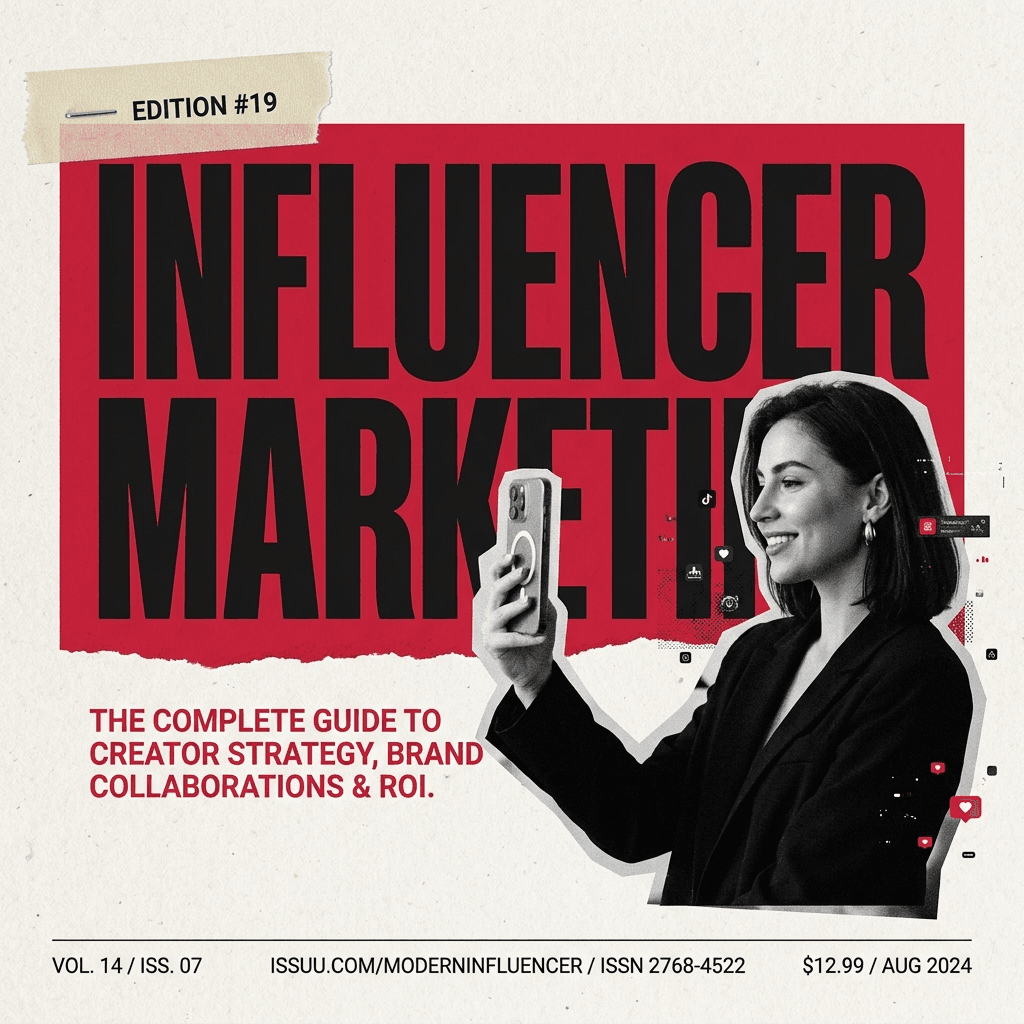
Influencer marketing is a performance-driven digital marketing strategy where e-commerce brands partner with online content creators who have built dedicated, trusting audiences across social media platforms like Instagram, TikTok, and YouTube. As an essential pillar of modern social media marketing, brands leverage a creator's personal authority to showcase products, drive authentic engagement, and convert followers into customers through affiliate links, custom storefronts, and automated direct messaging.
How Influencer Marketing Works Step by Step
To understand how influencer marketing functions in everyday business, it helps to break down the complete process from initial outreach to final sale. Whether working with a traditional influencer marketing agency or running self-serve campaigns, understanding the core workflow connects high-quality products with targeted buyers. With rapid digital adoption across global markets and massive momentum in influencer marketing India, performance-driven creator campaigns provide unmatched ROI.
Step 1: Setting Campaign Goals
A brand identifies what it wants to achieve, such as boosting website traffic, increasing monthly sales, collecting email signups, or launching a new product line.
Step 2: Finding Aligned Creators
The brand searches for creators whose audience matches their target customers in age, location, interests, purchasing power, and lifestyle habits.
Step 3: Establishing the Partnership Structure
The brand and creator agree on collaboration terms, whether it is a performance affiliate commission, a flat sponsorship fee, or a hybrid arrangement.
Step 4: Authentic Content Creation
The creator produces original video Reels, Stories, or posts showing how they use the product in daily life, giving honest impressions and practical advice.
Step 5: Frictionless Link Delivery
The creator shares custom bio storefront links or uses comment auto-responders to send direct purchase links straight to interested viewers.
Step 6: Tracking and Optimization
Both the brand and creator monitor clicks, orders, conversion rates, and revenue to optimize future campaign pushes.
Why Influencer Marketing Outperforms Traditional Advertising
Traditional online advertising is losing its effectiveness every year. Modern internet users routinely scroll past corporate feed ads, skip television commercials, and install ad blockers on their web browsers. When people see an ad posted by a brand account, they immediately recognize that the business is trying to sell them something, which triggers natural skepticism.
Influencer marketing works far better because it relies on established human trust and social proof. When a creator posts about a product, their community views it as a helpful recommendation from a peer or trusted expert. This personal connection removes buying friction, builds instant credibility, and encourages followers to take action much faster than traditional corporate messaging ever could.
The Four Main Types of Content Creators Explained
Working with creators does not require hiring huge celebrities with millions of followers. In fact, smaller accounts often generate higher engagement rates and better financial returns. Understanding the four creator tiers helps brands choose the right partners for their specific budget and goals:
1. Nano-Influencers (1,000 to 10,000 Followers)
Nano-influencers have small, tightly knit social circles. Their audience usually consists of personal friends, family, local community members, and passionate niche hobbyists. Because their community is intimate, their engagement rate is exceptionally high. Viewers regularly read captions, leave comments, and trust their recommendations. Nano-influencers are perfect for local businesses, early product testing, and generating affordable user-generated content (UGC) that brands can reuse in paid ads.
2. Micro-Influencers (10,000 to 100,000 Followers)
Micro-influencers focus on specific topics like fitness routines, home decor, minimalist tech, or skincare. They have built real authority in their chosen niche. For growing e-commerce businesses, micro-influencers offer the best balance between affordable cost and steady sales volume. They are eager to join commission-based affiliate programs and maintain long-term brand relationships.
3. Macro-Influencers (100,000 to 1,000,000 Followers)
Build your brand and scale creator revenue with Shoplinky's social commerce platform. Simply create a store, connect your channels, and start converting.
Get StartedMacro-influencers are established digital stars, vloggers, and professional content producers. They bring wide audience reach, high video production value, and strong brand prestige. While their engagement percentage is slightly lower than smaller accounts, macro-influencers excel at giving brands massive visibility, top-of-funnel exposure, and rapid sales bursts during new product launches.
4. Mega-Influencers and Celebrities (1,000,000+ Followers)
Mega-influencers are mainstream cultural figures and global personalities. Collaborating with them requires navigating talent agencies, formal contracts, and large upfront budgets. They are best suited for enterprise awareness campaigns and major global branding events rather than tight, direct-response performance marketing.
Choosing the Best Social Media Platform for Your Brand
Every social media platform attracts different audiences and encourages unique user behaviors. Picking the right channel depends on what you sell and how your customers like to shop:
Ideal for visual consumer goods like fashion, beauty, food, lifestyle, and fitness. Features like Reels, Stories, and comment-to-DM tools make instagram influencer marketing exceptionally effective for sending purchase links and driving measurable sales.
TikTok
Excellent for creative product demonstrations, unboxings, viral trends, and fast impulse buys, especially among younger consumers.
YouTube
Perfect for long-form reviews, in-depth technical comparisons, and step-by-step tutorials. YouTube videos stay search-indexed for years, driving ongoing long-term revenue.
Blogs and Editorial Sites
Great for written reviews, buying guides, and SEO comparison articles that capture buyers searching on Google.
Upfront Flat Fees vs. Performance-Based Affiliate Models
When influencer marketing first emerged, the primary payment structure was the upfront flat fee. A brand would pay a fixed dollar amount, such as $500 or $2,000, for a creator to produce a single Instagram post or YouTube segment. Under this arrangement, the business bore nearly all the financial risk. If the post failed to drive sales, the brand lost its investment entirely. Conversely, if the video went viral and generated thousands of purchases, the creator received no additional financial reward for their massive impact.
Today, the creator economy has shifted heavily toward performance-based affiliate marketing and hybrid models. Under a modern performance model, creators earn a percentage commission on every verified sale made through their unique tracking links or discount codes. This creates a win-win environment:
Risk Mitigation for Businesses
Brands protect their profit margins because marketing expenses are directly tied to revenue. You only pay when actual customers make a purchase.
Uncapped Earnings for Creators
High-performing creators are no longer capped by a one-time fee. A single piece of evergreen content can continue generating passive commission income for months or years.
Long-Term Alignment
Because earnings depend on conversions, creators naturally select products they genuinely use and believe in, maintaining authenticity with their followers.
Step-by-Step Framework for Building a High-Converting Strategy
To scale a creator program efficiently, brands must move beyond manual messaging and unorganized spreadsheets. Success requires a structured campaign management plan.
1. Set Clear Benchmarks and Objectives
Before reaching out to creators, establish your primary performance metrics. Decide whether you are optimizing for immediate revenue, lower Customer Acquisition Cost (CAC), higher Average Order Value (AOV), or collecting reusable user-generated video assets. Having defined financial targets keeps campaign spending disciplined.
2. Vetting Creators Beyond Follower Counts
Never rely solely on vanity metrics like total subscriber or follower numbers. Look closely at engagement ratios, comment quality, audience location distributions, and past brand collaborations. Ensure the creator’s audience matches your ideal buyer profile.
3. Give Creative Freedom Within Guidelines
One of the most common mistakes brands make is providing overly restrictive, word-for-word scripts. Followers can immediately spot forced promotional reads, which damages trust. Instead, provide key benefit bullet points, discount details, and required disclosures, but allow the creator to speak in their authentic voice.
4. Streamline the Checkout Experience
The biggest point of drop-off occurs between initial viewer interest and final checkout. If a user has to pause a video, leave an app, search a web browser, and manually type in a promo code, many will give up along the way. Minimizing these steps directly increases conversion rates.
Common Obstacles in Modern Influencer Marketing
While creator partnerships are powerful, managing campaigns without dedicated infrastructure leads to recurring operational headaches:
Attribution and Tracking Losses
Buyers often view a creator's Reel on a mobile app, close the app to research on desktop, and buy later. Standard web tracking often misses these cross-device journeys.
Bio Link Distractions
Traditional link-in-bio pages often display dozens of unorganized links, leading visitors to get overwhelmed and leave without making a purchase.
Manual Outreach and Admin Overhead
Tracking hundreds of affiliate links, managing product shipments, and calculating monthly payout spreadsheets manually takes dozens of hours away from strategic growth.
High Customer Friction on Social Media
In platforms like Instagram, links in post captions are not clickable. Forcing users to manually visit a bio link creates friction that degrades potential sales.
Evaluating the Software Landscape: Niche Tools vs. Unified Platforms
As creator-led commerce expands, businesses quickly discover that managing relationships, trackable links, direct messages, and payments through fragmented manual workflows is impossible to sustain at scale. To solve this, marketing teams traditionally assemble a makeshift stack composed of four or five separate point solutions.
While each standalone software category addresses a specific operational need, combining them creates data silos, inflated subscription overhead, and severe friction across the customer buying journey.
1. Enterprise Creator Databases and Outbound CRM Tools
Platforms like Grin, Aspire, and Upfluence offer deep talent discovery databases, relationship management CRMs, and contract tracking. They allow brand managers to filter millions of social profiles by audience demographics, engagement rates, and previous brand mentions.
The Limitation
These platforms are engineered almost exclusively for enterprise brands running high-budget, top-of-funnel sponsorships. They carry expensive annual subscription contracts that place them out of reach for growing DTC brands. Furthermore, they function primarily as back-office management dashboards; they do not provide creators with consumer-facing bio storefronts or native messaging automation to drive sales directly within social apps.
2. Traditional Affiliate Networks and Tracking Apps
Software solutions such as Shopify Collabs, Impact, and GoAffPro focus on the financial mechanics of performance marketing. They allow brands to generate unique referral links, track attribution pixels, assign custom promo codes, and automate monthly commission payouts to affiliate partners.
The Limitation
Traditional affiliate tracking networks operate passively. They require the creator to manually copy a raw affiliate link, place it into a static bio link, and convince followers to leave their social app to browse a standard web store. They lack active, instant-response mechanisms on visual channels like Instagram Reels or TikTok, leading to significant drop-offs in customer conversion intent.
3. Basic Link-in-Bio Storefront Builders
Tools such as Linktree, Beacons, and ShopMy emerged to give creators a clean, centralized digital hub where they can list their favorite products, personal recommendations, and social profiles. These storefronts give followers a visual catalog to browse through rather than a cluttered list of plain URLs.
The Limitation
Static bio link aggregators rely entirely on passive user navigation. A follower must see a product in a short-form video, navigate away from their main feed, click the creator's profile, open the bio link, search through a gallery of listed items, and locate the correct product page. Every extra step added to this sequence decreases conversion rates. Moreover, basic bio link tools do not include native creator discovery engines or integrated campaign management for brands.
4. Standalone Direct Messaging Automation Tools
Platforms like ManyChat introduced powerful comment-triggered messaging capabilities to the creator economy. When a follower leaves a specific keyword comment on an Instagram Reel or post (such as "LINK" or "SKINCARE"), the platform automatically sends a private message directly to their inbox containing the relevant link.
The Limitation
General-purpose messaging bots require complex visual workflow builders and logic flows to configure manually. More importantly, standalone messaging apps are completely disconnected from native affiliate marketplaces and store catalogs. They do not calculate sales commissions, track real-time affiliate ROI, or provide creators with structured, permanent bio storefronts.
How Legacy Point Solutions Compare to Unified Platforms
To understand why an integrated platform is essential for modern creator commerce, consider how separate point solutions handle core operational requirements compared to a single unified ecosystem:
Creator Discovery and Vetting
Legacy setups require dedicated enterprise database subscriptions with high annual software costs. A unified platform provides a built-in discovery marketplace, allowing brands to filter vetted creators by niche, audience, and performance metrics without extra fees.
Product and Affiliate Setup
Legacy setups require installing separate affiliate tracking software on e-commerce stores. A unified platform connects directly with store catalogs to import products and set commission tiers instantly.
Link Delivery to Followers
Legacy setups force followers to leave their social feed, visit a third-party bio link app, and manually search for products. A unified platform deploys automated comment-to-DM link delivery that places exact product links into customer inboxes immediately.
Creator Storefronts
Legacy setups require creators to manually construct separate bio link pages using generic third-party builders. A unified platform provides automatically built, shoppable creator storefronts featuring imported brand products and direct tracking.
Revenue and Attribution Tracking
Legacy setups fragment data across separate web pixel logs, discount code sheets, and third-party analytics dashboards. A unified platform offers a centralized real-time dashboard tracking exact sales, clicks, conversion rates, and commissions per creator.
Software Overhead
Legacy setups incur high monthly costs by paying for multiple separate subscriptions simultaneously. A unified platform eliminates duplicate software fees and technical setup complexity in one system.
The Shoplinky Advantage: An Integrated All-in-One Social Commerce Platform
Shoplinky eliminates software fragmentation by combining every essential component of creator marketing, affiliate management, link-in-bio storefronts, and messaging automation into a single, seamless platform. Designed specifically to remove friction for both growing brands and professional content creators, Shoplinky turns social media engagement into trackable, automated sales.
1. For E-Commerce Brands: Complete Campaign Control in One Place
Instead of juggling spreadsheets and disconnected tracking apps, brands use Shoplinky as a centralized revenue engine:
Direct Catalog Integration
Brands connect their e-commerce store with a few clicks, instantly importing product catalogs, setting custom commission percentages, and defining promotional discount codes.
Built-in Creator Discovery Marketplace
Marketers search, filter, and recruit vetted creators based on category alignment, audience metrics, and engagement quality.
Automated Campaign Management
Brands launch campaigns in minutes by inputting product details, generating clear brief guidelines, and onboarding creators seamlessly.
Shoplinky tracks every visit, click, order, and commission earned per creator in real time. Brands evaluate creators based on true financial Return on Investment (ROI) rather than passive likes or comments.
2. For Content Creators: Monetization and Automation Without the Hassle
Shoplinky gives creators professional-grade tools to build sustainable, recurring commission revenue without spending hours managing admin tasks:
Creators receive a clean, beautifully designed storefront that houses all their recommended products, affiliate links, and active brand deals in one organized location.
Integrated AutoDM Technology
Instead of constantly telling followers to "check the link in my bio," creators can instruct viewers to comment a specific keyword on their Instagram Reels or posts. Shoplinky's automated engine instantly sends the correct product purchase link directly to the user's direct messages.
Transparent Wallet and Payouts
Creators track their earnings across all brand partnerships in real time, viewing detailed click breakdowns and redeeming credited commissions directly from their personal wallet dashboard.
How AutoDM and Integrated Storefronts Solve the Conversion Bottleneck
To appreciate why the Shoplinky workflow increases conversion rates, examine what happens when a consumer encounters a product recommendation on social media under both old and new systems.
Under the traditional conversion path, a user watches a short video, reads a caption telling them to visit the bio link, closes the video, clicks on the creator's profile, opens a third-party bio page, and scrolls through a long list of unorganized links. In most cases, the user gets distracted or frustrated and leaves without buying, resulting in a lost sale.
Under the Shoplinky conversion path, a user watches a video and leaves a simple keyword comment like "SHOP." The automated messaging system instantly sends the direct product purchase link to their direct messages. The user opens their inbox, clicks the link, and completes their purchase immediately. By placing the exact product purchase link directly into the interested buyer's inbox at the exact moment their purchase intent is highest, Shoplinky eliminates every obstacle in the buying journey. If the user wants to explore other products recommended by that creator later on, they simply visit the creator's curated Storefront to browse the complete catalog.
Essential Metrics to Track for Sustainable Growth
To build a profitable, long-term creator marketing program, businesses must continuously analyze performance metrics across every stage of the funnel. Key Performance Indicators include:
Direct Return on Ad Spend (ROAS)
Calculated by dividing the total revenue generated through creator affiliate links by the total costs incurred, including commissions, gifted products, and platform fees. A healthy performance program should maintain a predictable, positive ROAS.
Customer Acquisition Cost (CAC)
Comparing creator-driven CAC against traditional paid ad channels demonstrates where acquisition budget is spent most efficiently. Creator campaigns routinely produce lower CAC because they leverage warm, existing audience trust.
Direct Message Click-Through Rate (CTR)
For campaigns utilizing AutoDM, tracking the percentage of users who click the automated link received in their inbox provides direct feedback on creative messaging and product demand.
Conversion Rate (CR)
The percentage of visitors arriving from a creator's link or storefront who complete a purchase on your store. High conversion rates indicate strong audience alignment and a frictionless checkout flow.
Active Creator Retention Rate
Measures the percentage of creators who regularly generate recurring monthly sales. Building long-term brand ambassador relationships with a core group of proven, reliable creators produces far higher lifetime value than constantly onboarding new, unvetted accounts.
Key Takeaways: The Future of Creator Commerce
Influencer marketing has evolved from simple product placements into a sophisticated, data-driven revenue channel built on performance affiliate partnerships, seamless messaging automation, and authentic community trust.
Trust Beats Traditional Ads
Modern consumers ignore corporate broadcasts but respond enthusiastically to real recommendations from trusted creators.
Align Financial Incentives
Transitioning from risky upfront flat fees to performance-based affiliate models protects brand margins while giving creators uncapped earning potential.
Remove Customer Friction
High conversion rates depend on making checkout effortless. Automated comment-to-DM link delivery and organized bio storefronts turn viewer interest into immediate sales.
Unify Your Tool Stack
Juggling separate, disconnected apps for discovery, tracking, messaging, and storefronts creates operational chaos. Switching to an all-in-one platform like Shoplinky streamlines workflow, lowers software overhead, and maximizes revenue across your entire creator program.